Teach4Sustainability Project Hub
Complete Unabridged Documentation & Event Records
Aksum University | Kick-Off & Stakeholder Engagement Workshop | May 30, 2026
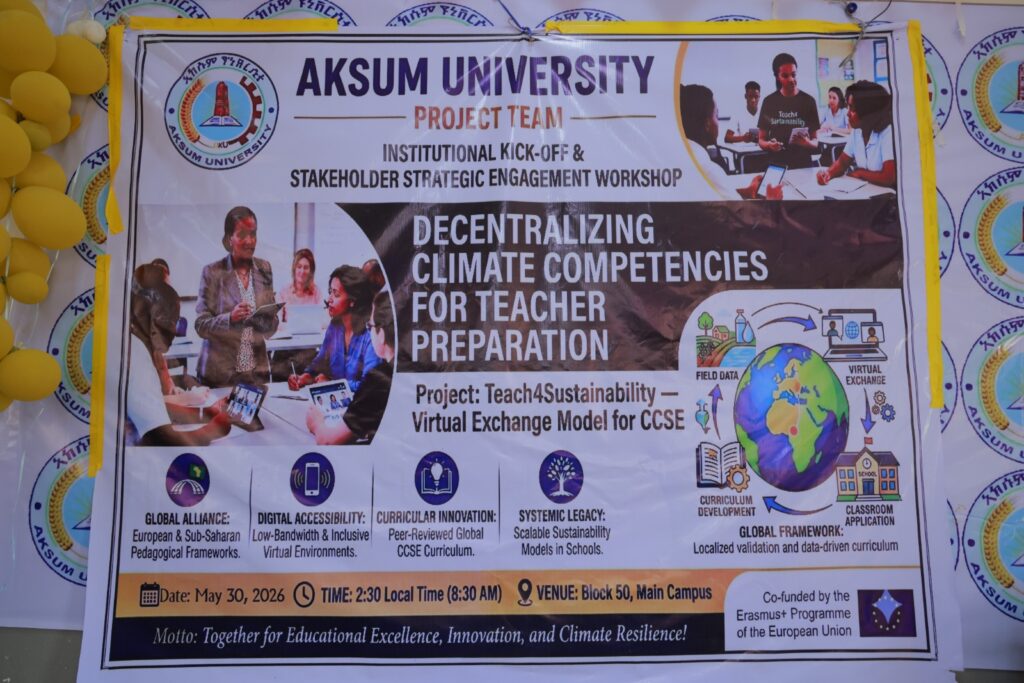
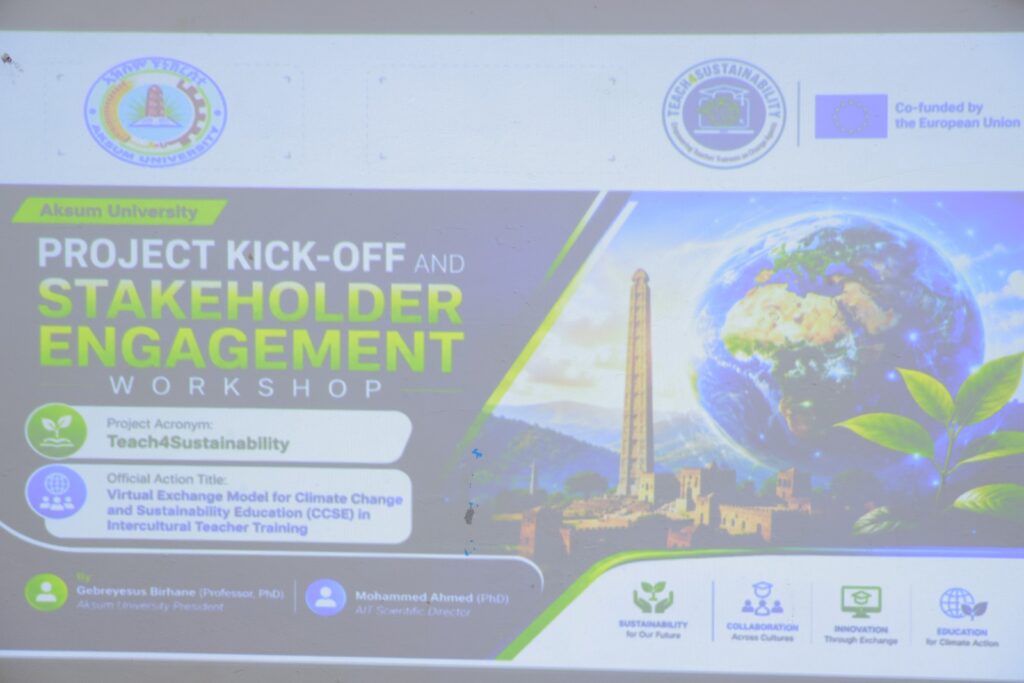
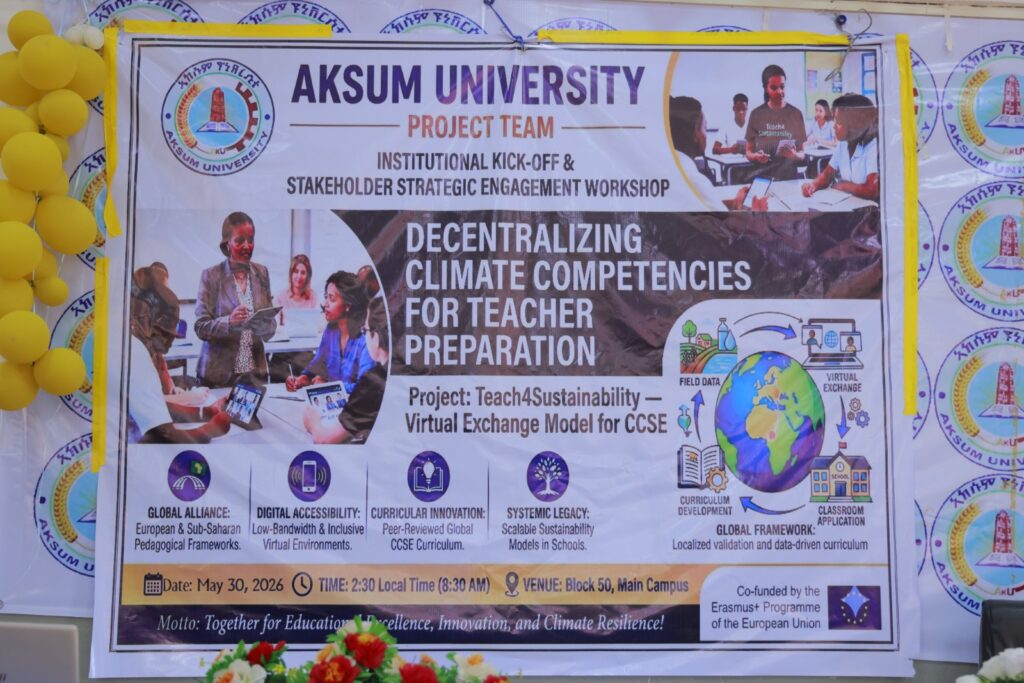
Teach4Sustainability Project Kick-Off and Stakeholder Engagement Workshop
Aksum University Drives Global Climate Education Through EU-Funded Initiative
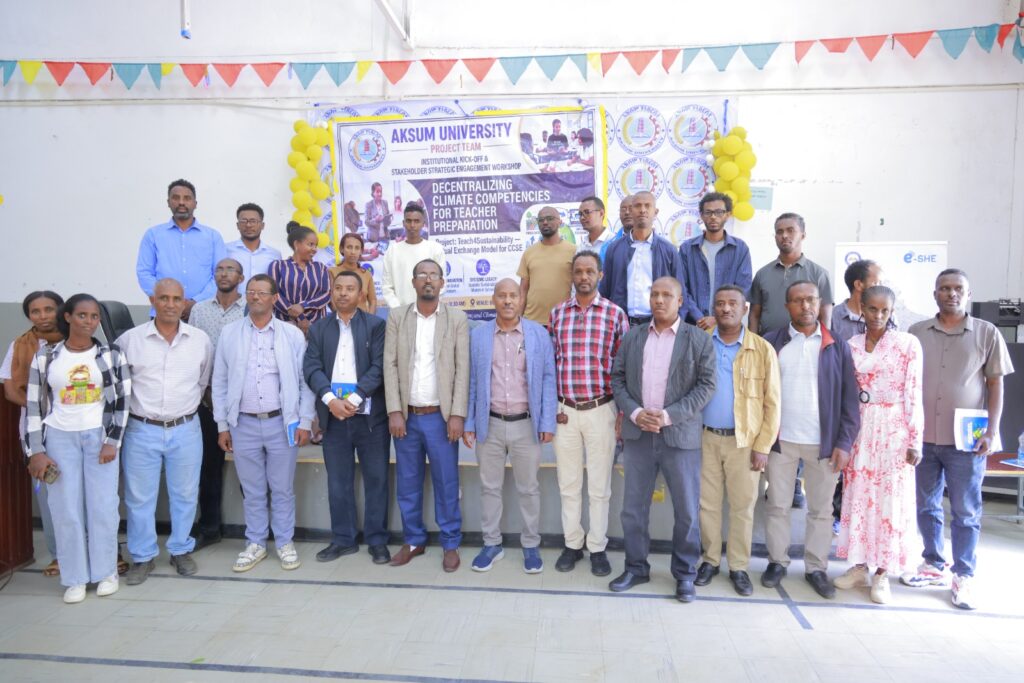
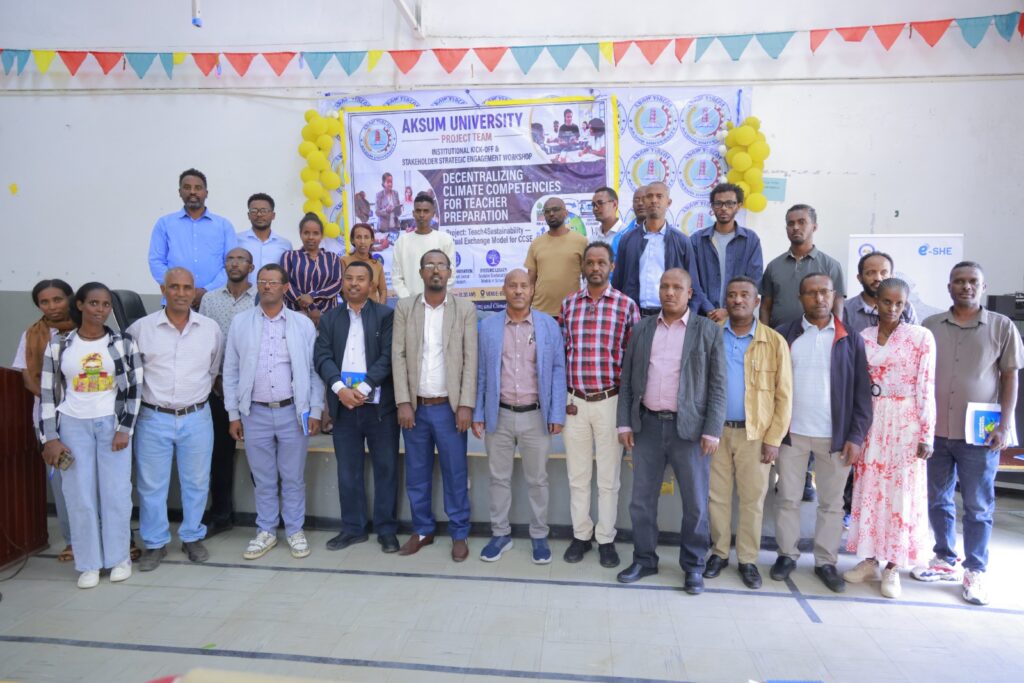
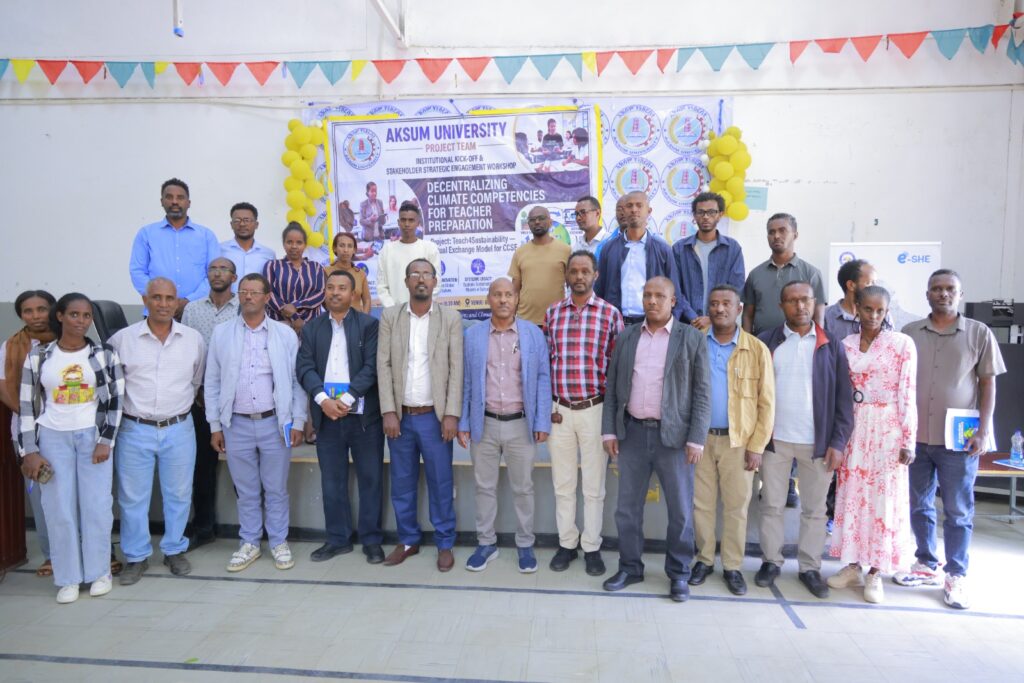
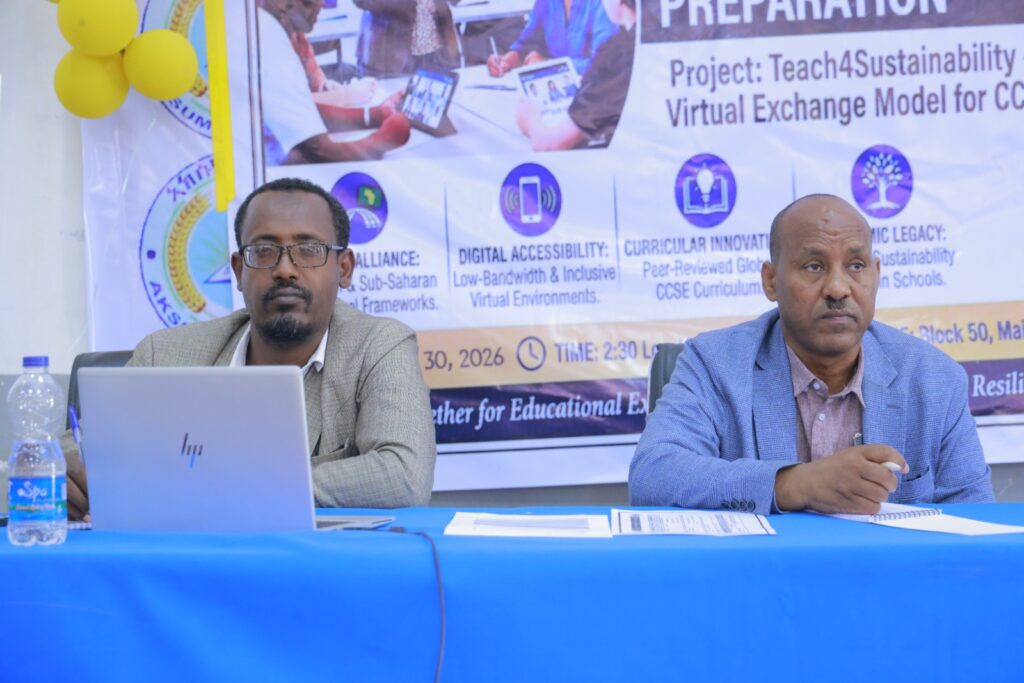
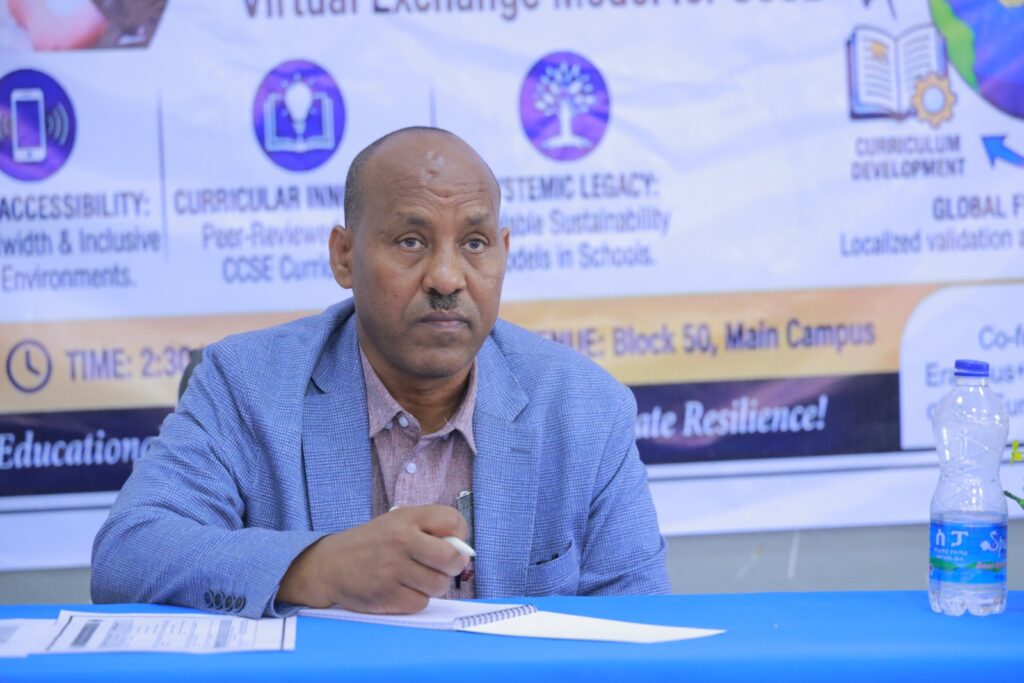
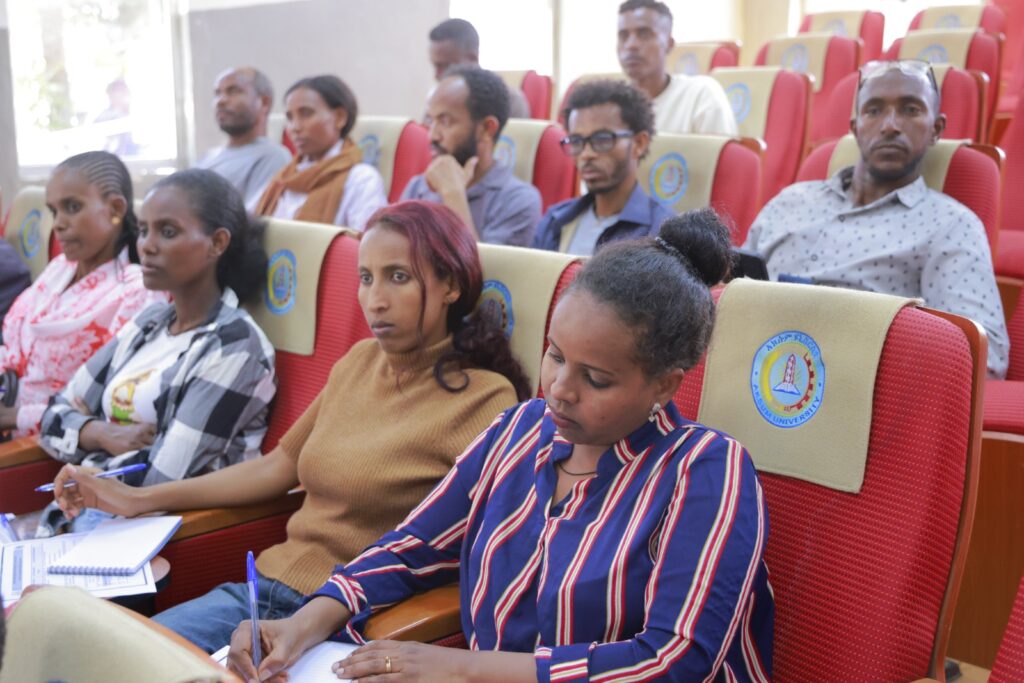
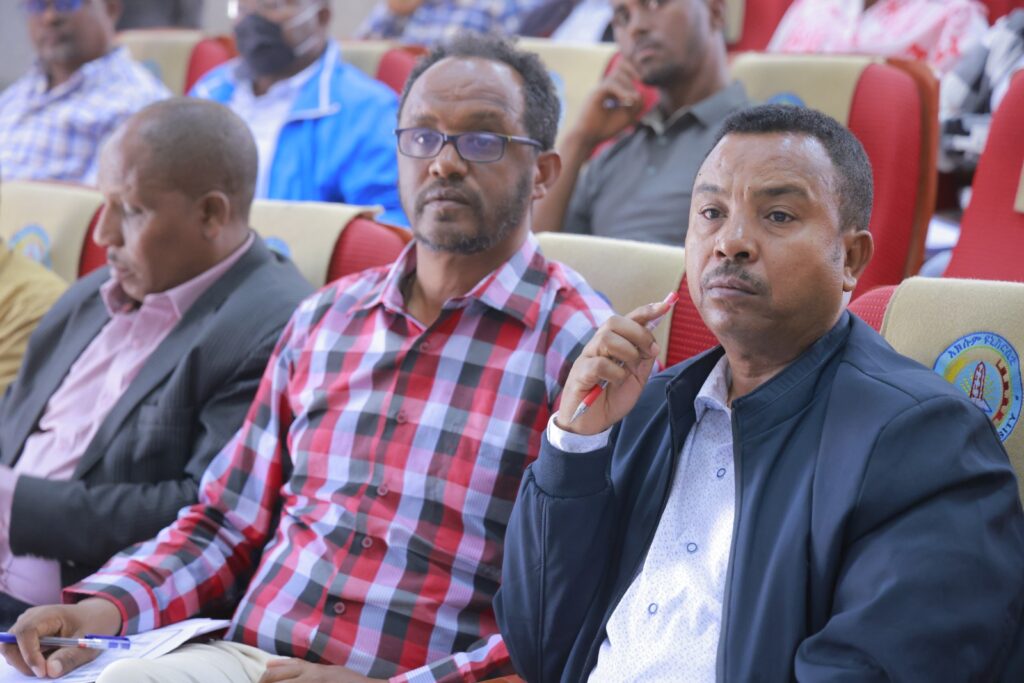
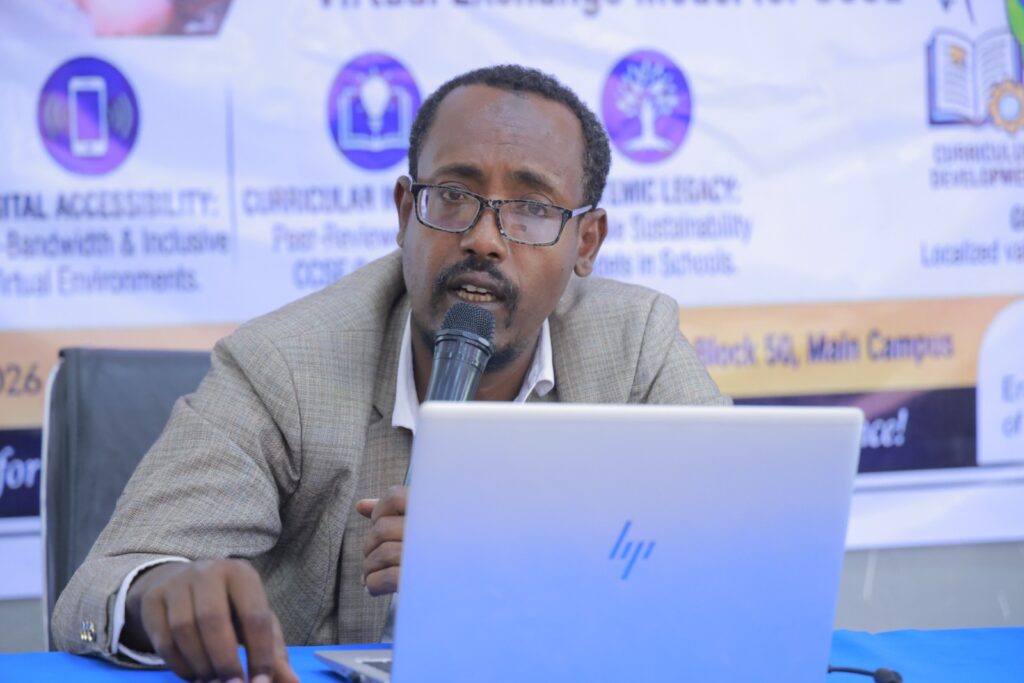
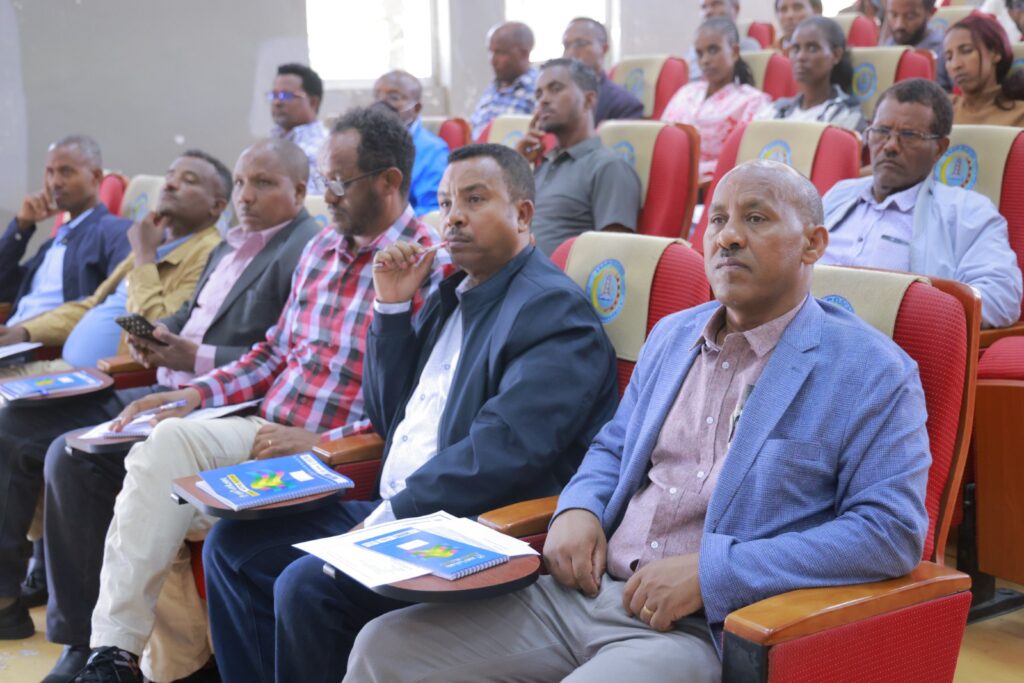
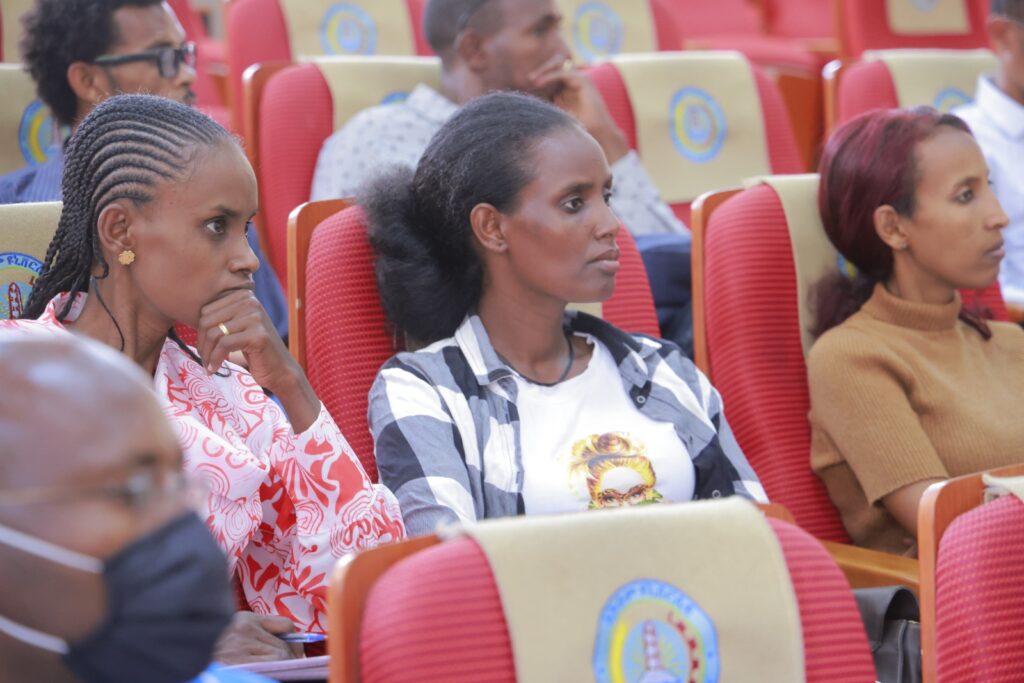
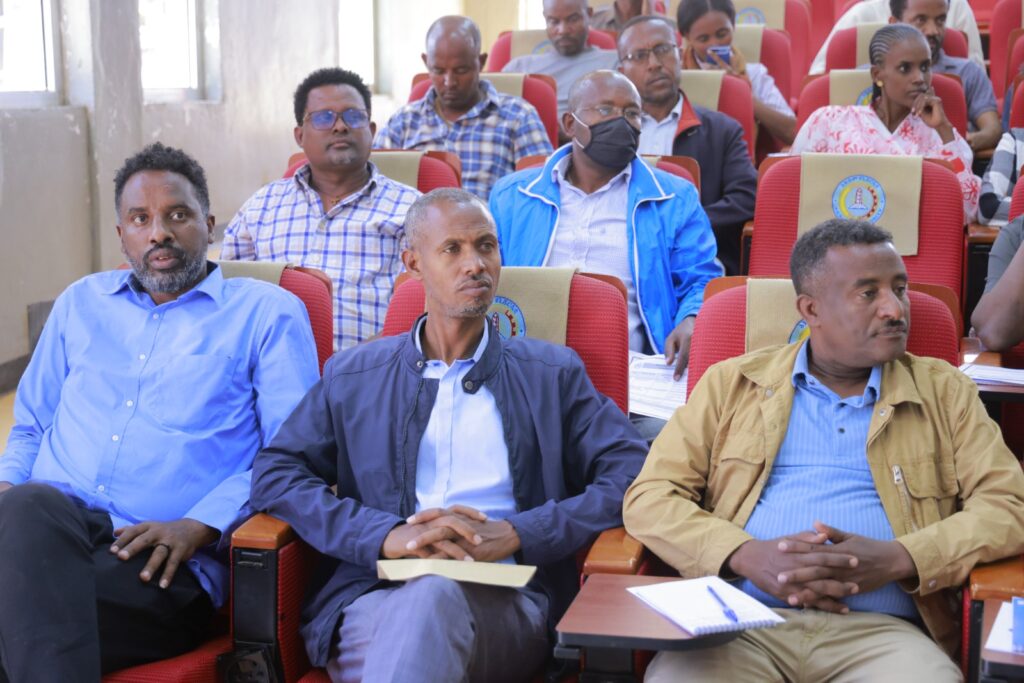
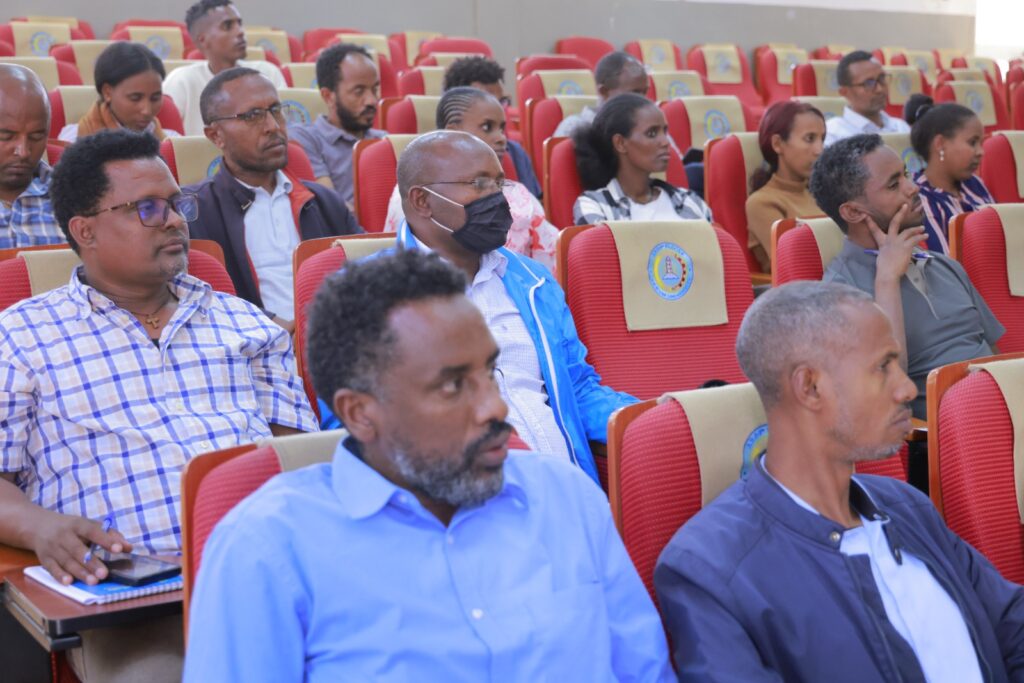
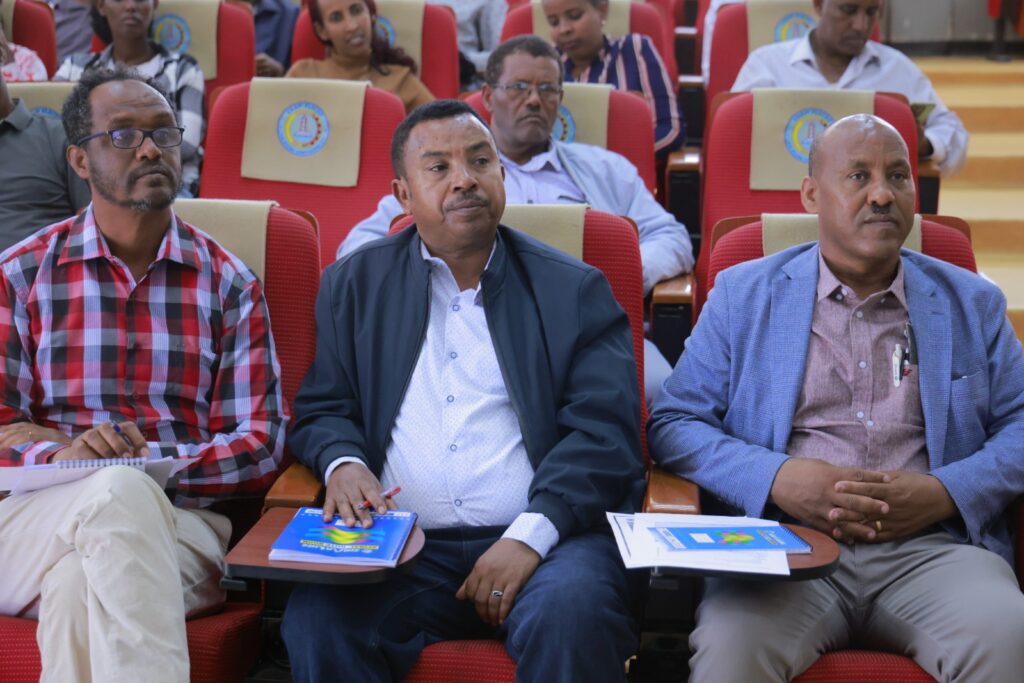
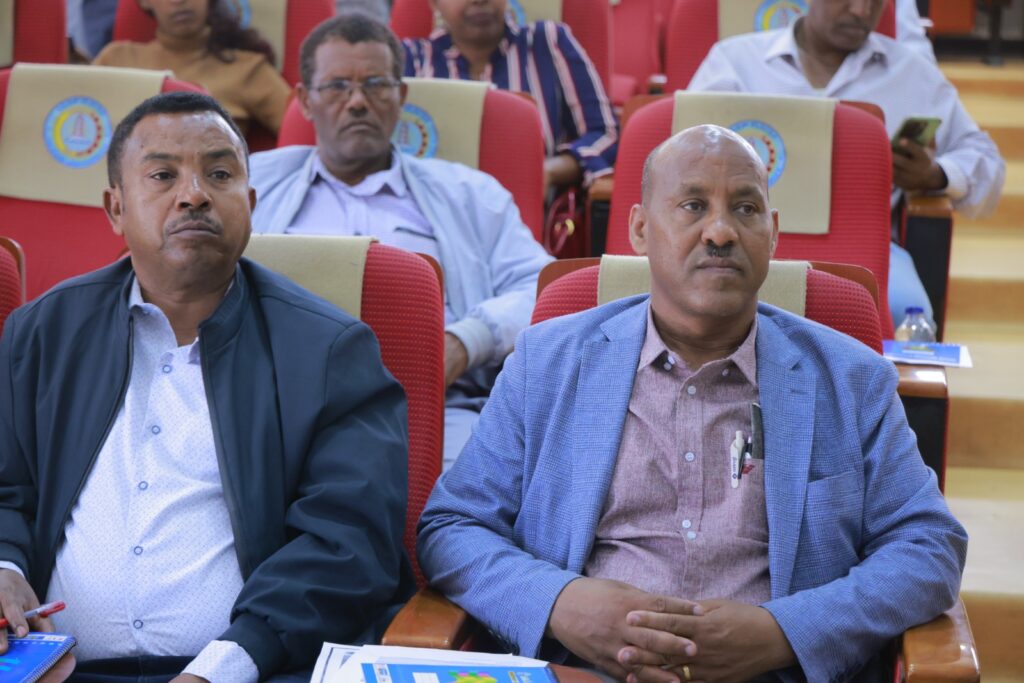
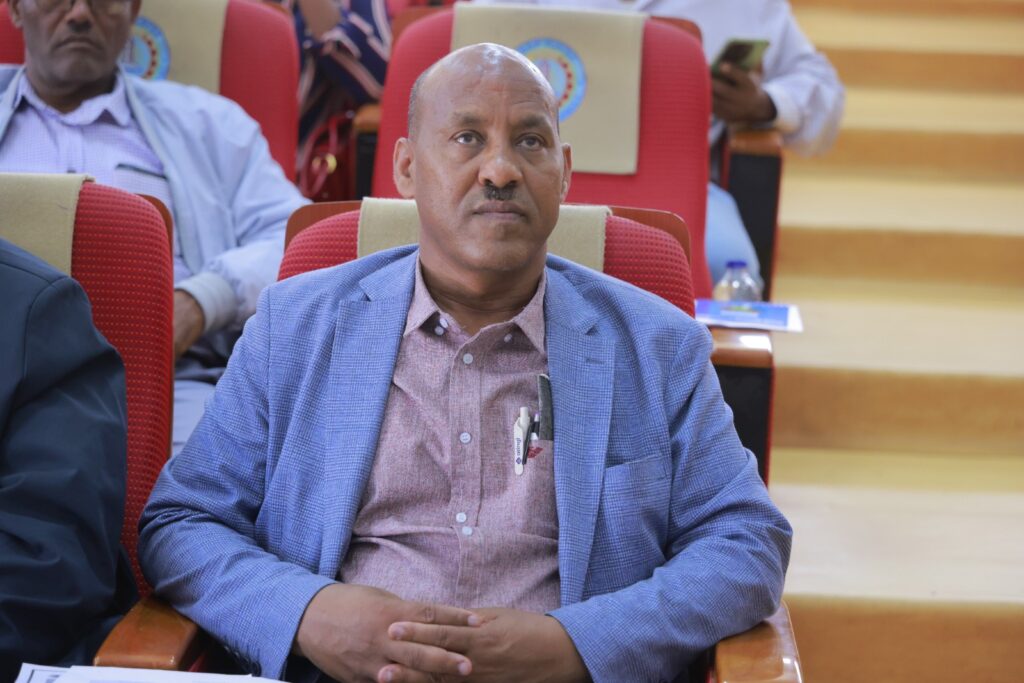
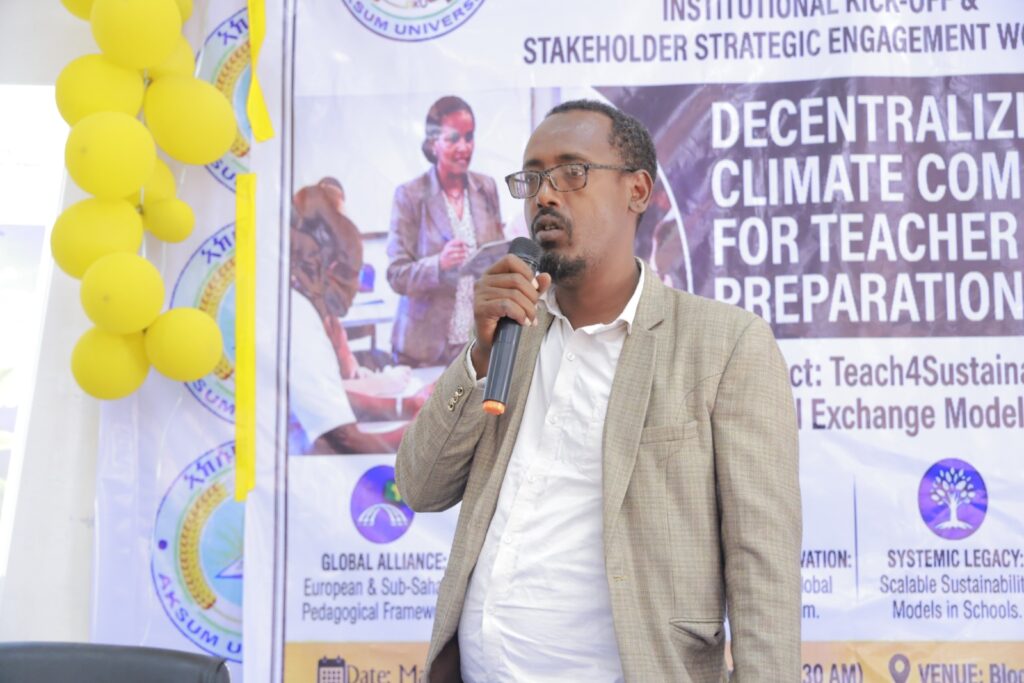
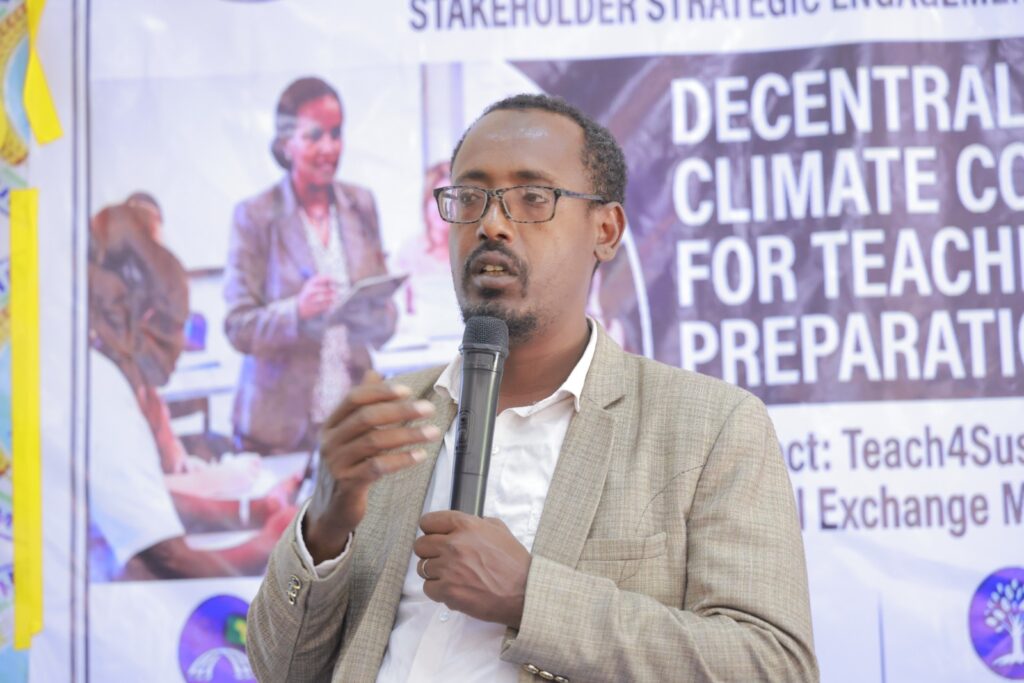
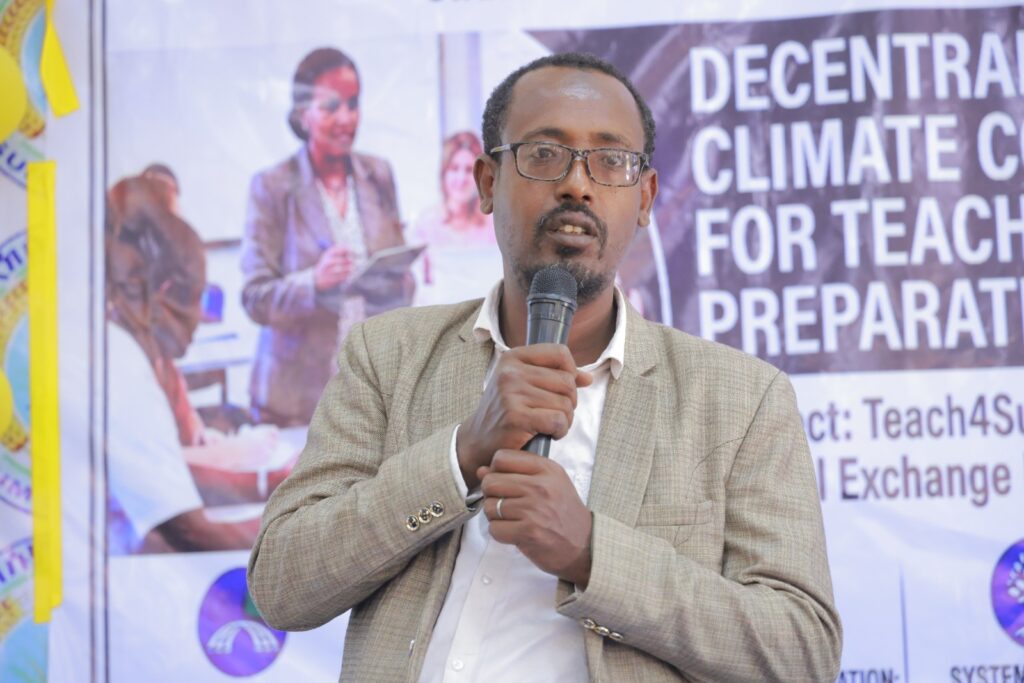
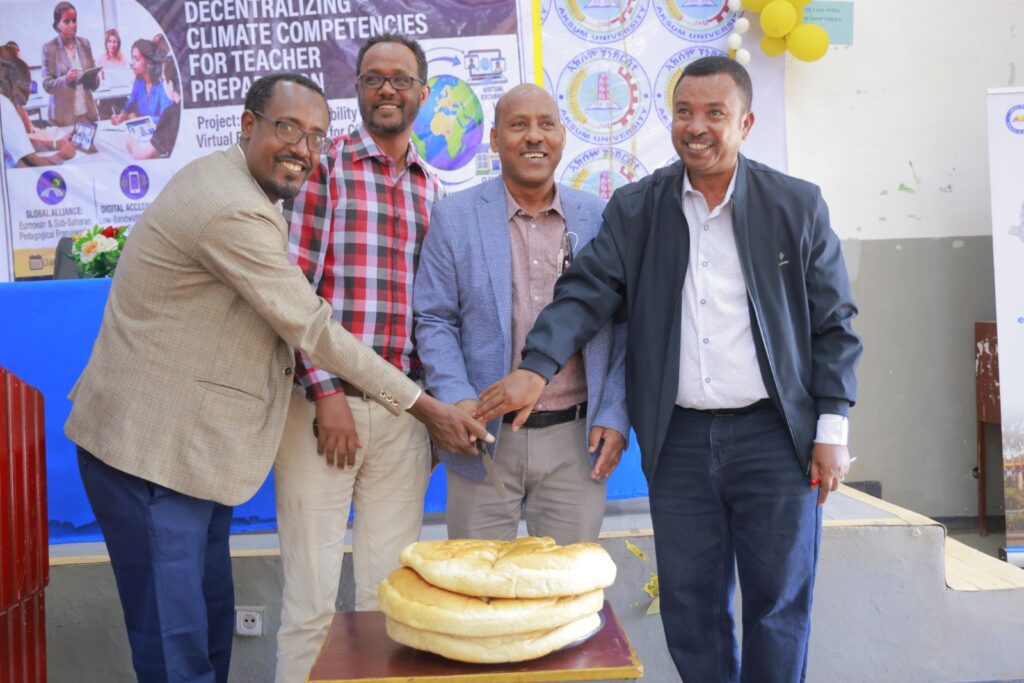
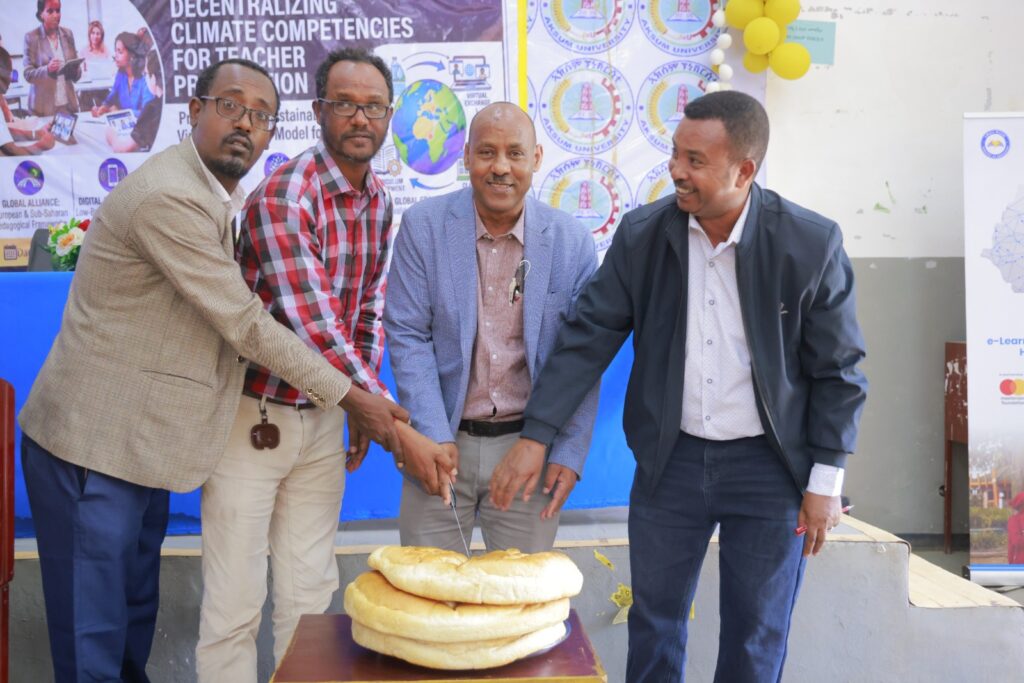
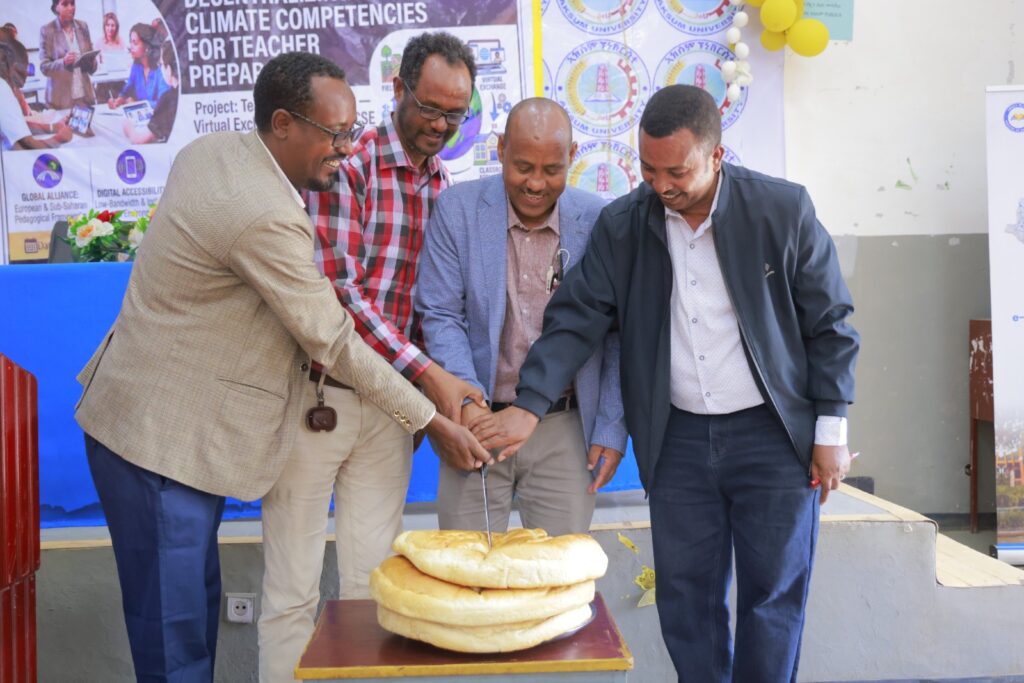
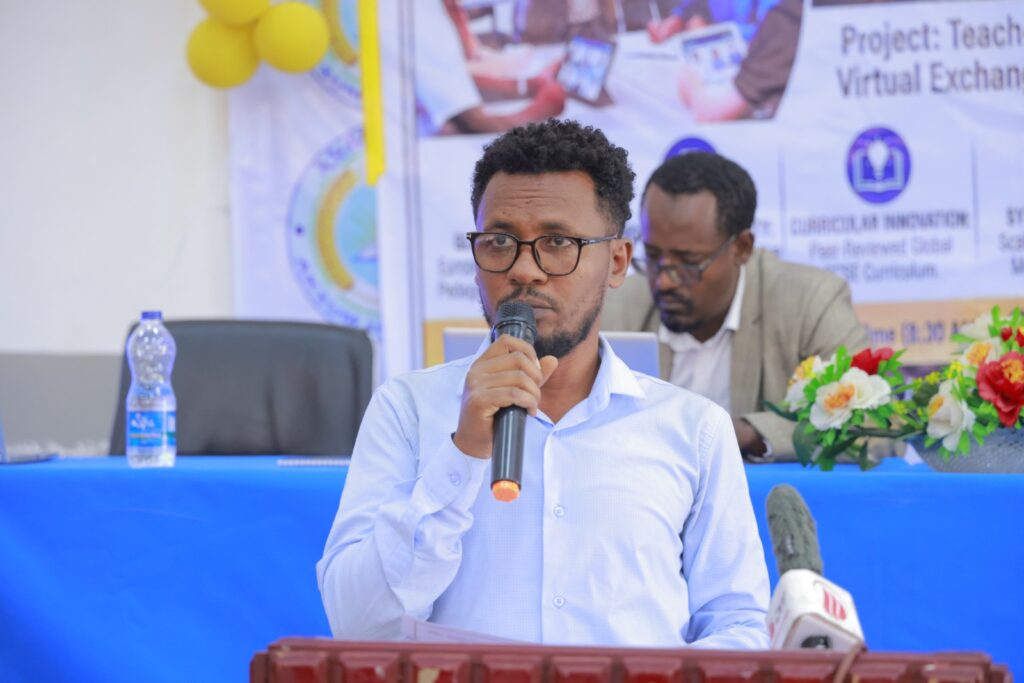
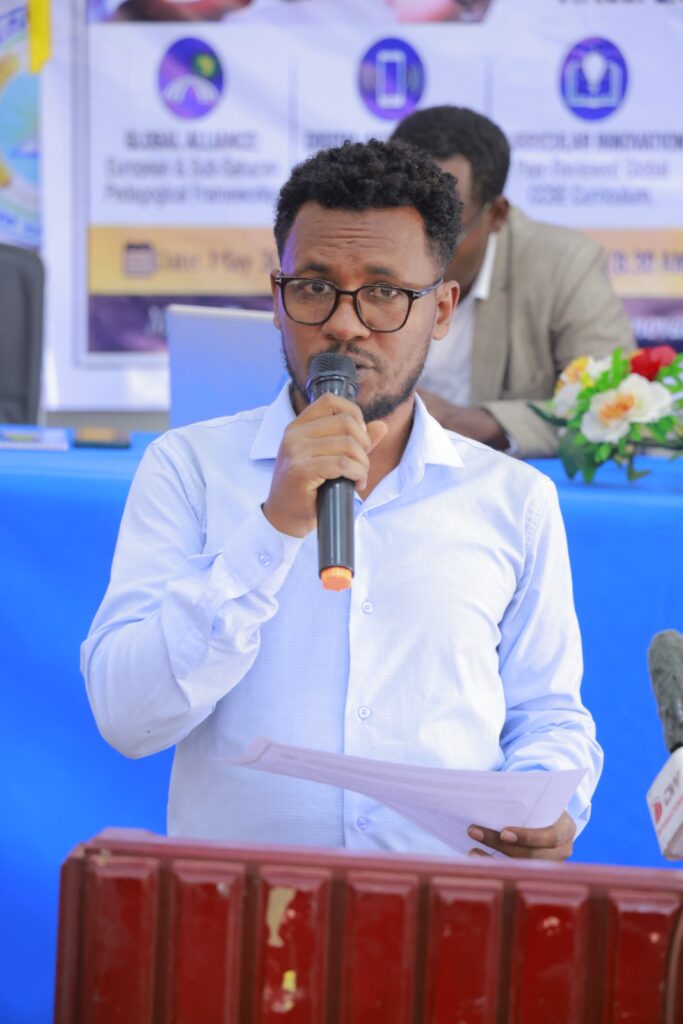
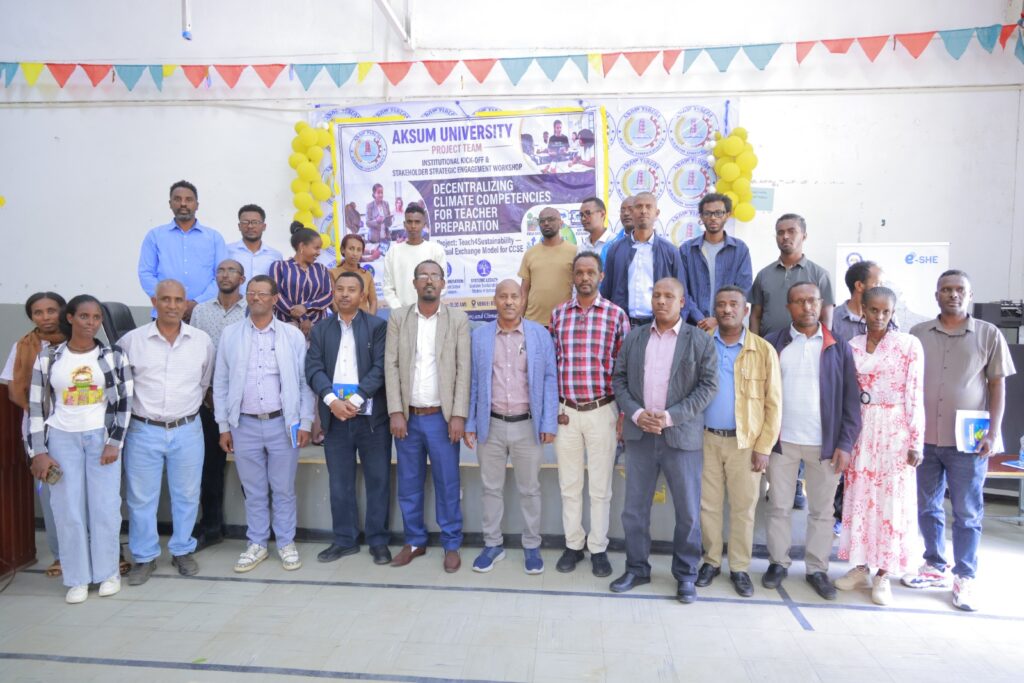
On Saturday, May 30, 2026, Aksum University conducted the Teach4Sustainability Project Kick-Off and Stakeholder Engagement Workshop, bringing together approximately 53 participants representing university leadership, academic and technical staff, project stakeholders, and implementation partners. The strong and diverse participation demonstrated the University’s commitment to the successful implementation, institutionalization, and long-term sustainability of the project.
The workshop marked an important milestone in Aksum University’s strategic engagement in Teach4Sustainability: Virtual Exchange Model for Climate Change and Sustainability Education (CCSE) in Teacher Training, a 36-month Erasmus+ project running from February 2026 to January 2029. The initiative, coordinated by the Institute of Geography Education at the University of Münster, Germany, brings together six partner institutions from Europe and Sub-Saharan Africa: the University of Münster, National University of Distance Education (UNED), Aksum University, University of Kigali, University of Nigeria, Nsukka, and University of The Gambia. Together, the partners aim to train at least 2,500 teacher trainees through innovative virtual exchange approaches to climate change and sustainability education.
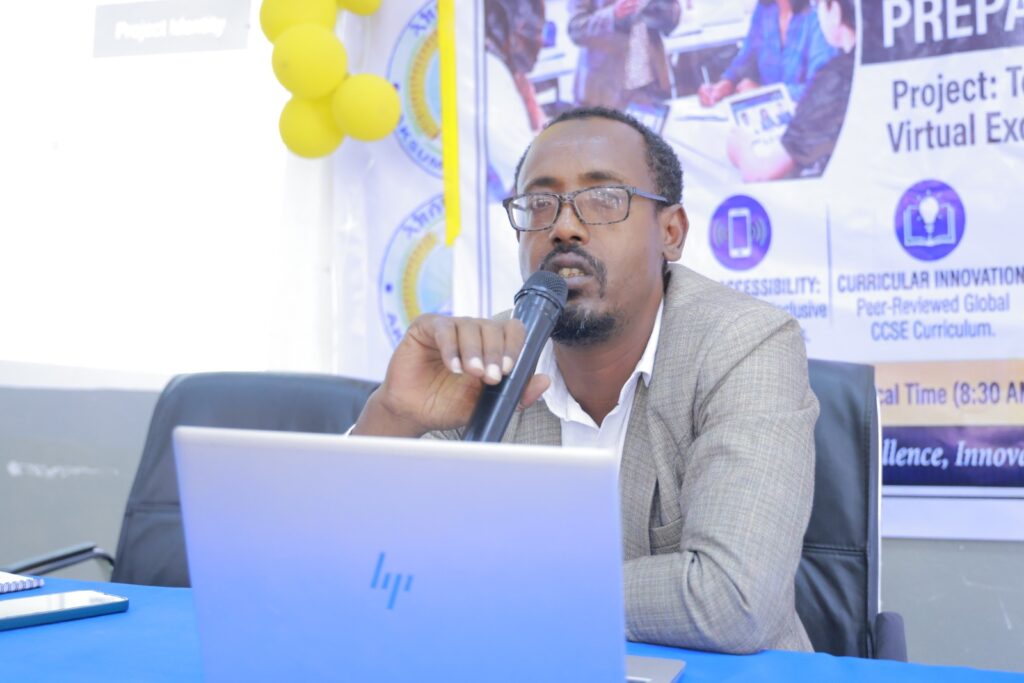
The kick-off workshop provided a platform for participants to develop a shared understanding of the project’s vision, objectives, expected outcomes, implementation framework, institutional responsibilities, and strategic priorities. It also created an opportunity for university leadership, academic staff, project stakeholders, and implementation partners to discuss how their respective expertise and institutional roles could contribute to achieving the project’s objectives.
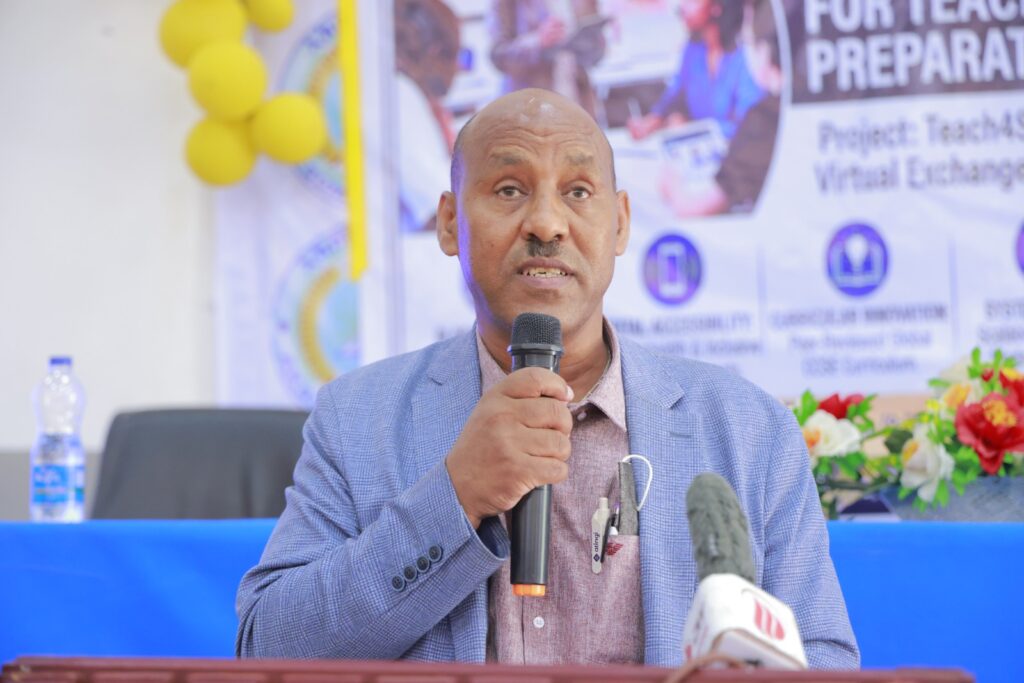
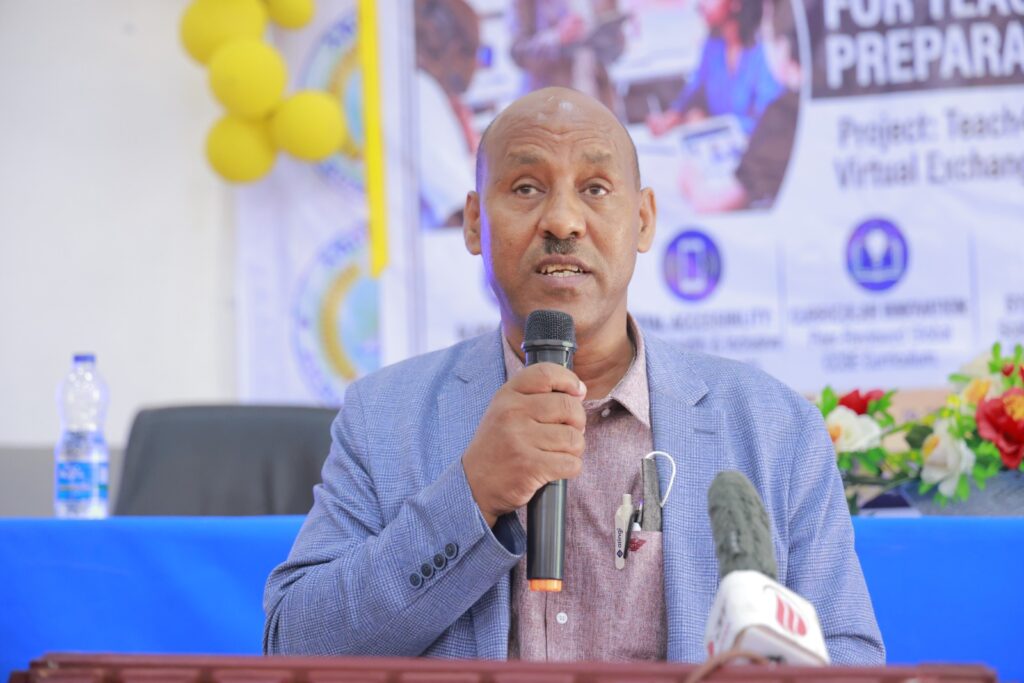
The opening session highlighted the strategic relevance of Teach4Sustainability to Ethiopia’s priorities in sustainable development, climate resilience, digital transformation, and quality education. Professor Gebreyesus Brhane, President of Aksum University and a member of the project’s Steering Committee, emphasized the importance of strengthening sustainability education and preparing the next generation of educators to contribute to climate resilience, innovation, and inclusive development.
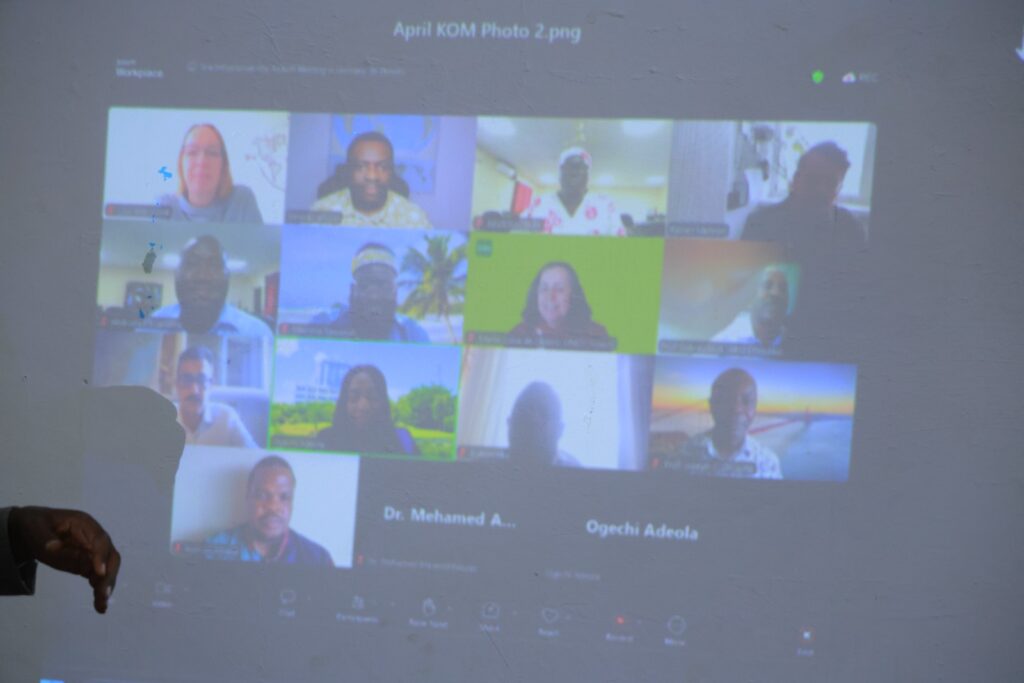
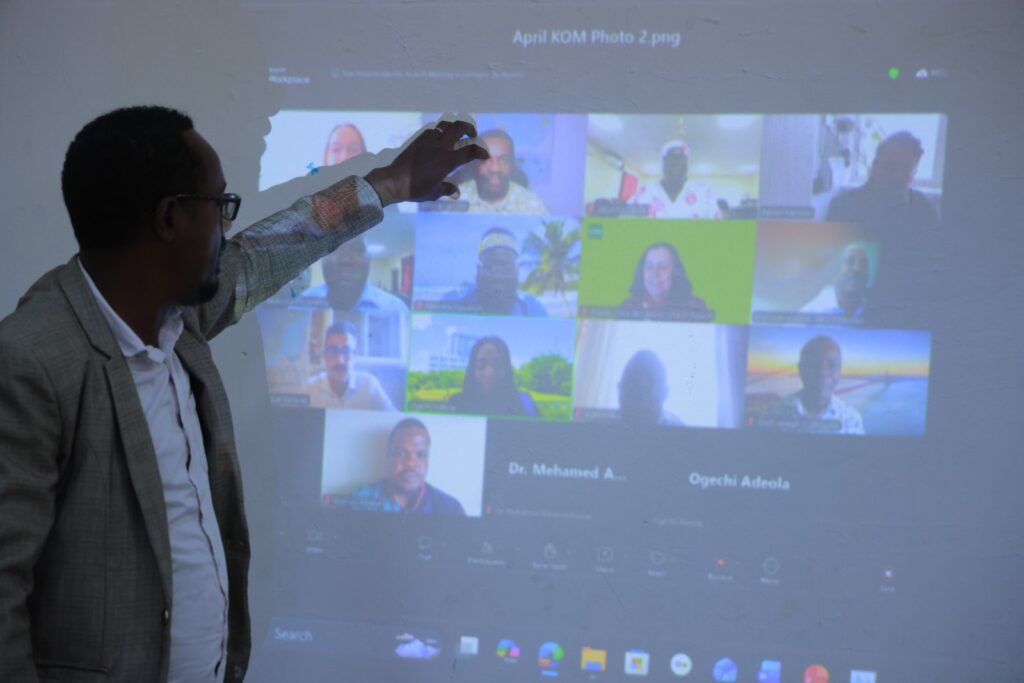
A major focus of the workshop was the project’s innovative use of virtual exchange as a pedagogical approach. Participants explored how educators and teacher trainees from different countries can collaborate through digital platforms, engage in intercultural dialogue, share knowledge, and jointly address climate-related challenges. At Aksum University, trained facilitators will subsequently support the training of teacher trainees, creating a cascading model of capacity development and institutional impact.
The workshop further explored the integration of Geographic Information Systems (GIS), climate simulation platforms, mobile learning technologies, data-driven analysis, and evidence-based modelling into climate and sustainability education. These approaches are intended to move beyond theoretical knowledge and equip educators with practical digital, analytical, collaborative, and adaptive competencies required to respond effectively to contemporary environmental challenges.
The participation of approximately 53 stakeholders was particularly significant in strengthening institutional ownership and collaboration. The presence of university leadership alongside academic, technical, statistical, administrative, and project personnel provided a multidisciplinary platform for discussing implementation, quality assurance, data management, dissemination, capacity building, and sustainability. This broad engagement is expected to facilitate stronger coordination and more effective translation of project activities into institutional practice.
Aksum University also has an important role in scaling impact and dissemination, contributing to the project’s overall objective of reaching at least 2,500 teacher trainees across the partner institutions. The University’s institutional capacity, academic expertise, and strategic commitment to innovation position it to contribute significantly to the cascading implementation and wider dissemination of the project’s outputs.
Beyond the immediate project activities, the workshop highlighted opportunities for professional development and international exposure for participating educators. Participants who complete the programme are expected to benefit from internationally recognized certifications, including the EU-backed Youthpass certificate, supporting their professional development and future leadership opportunities in education, policy, and sustainability.
The workshop also emphasized the importance of ensuring that the project’s impact extends beyond its three-year implementation period. Aksum University has committed to integrating the sustainability modules and practices developed through the project into its regular teacher training and academic programmes, thereby supporting long-term institutionalization and sustainability.
Conclusion
The Teach4Sustainability Project Kick-Off and Stakeholder Engagement Workshop represented a significant step in strengthening Aksum University’s contribution to global climate and sustainability education. The engagement of approximately 53 participants from university leadership, academic and technical staff, project stakeholders, and implementation partners created a strong foundation for collaboration, ownership, and coordinated implementation.
The workshop reaffirmed Aksum University’s commitment to using education, digital innovation, virtual exchange, research, and international collaboration to address climate and sustainability challenges. Through its active participation in the project, the University is contributing not only to the development of climate-responsive educators but also to Ethiopia’s broader vision of a sustainable, resilient, and knowledge-driven future.
Teach4Sustainability: Project Kick-Off & Stakeholder Engagement Workshop Agenda
Date: Saturday, May 30, 2026 | Location: Aksum University, Ethiopia | Time: 8:00 AM – 5:00 PM EAT
Morning Session: Institutional Alignment & Project Overview
Registration & Welcome Coffee
Participant sign-in and distribution of workshop materials.
Facilitators: Dr. Mehamed Ahmed (Local Project Coordinator) and Mr. Tsegay Negash (DRA)
Opening Ceremony & Keynote Address
Speaker: Professor Gebreyesus Brhane (President, Aksum University & Steering Committee Member).
Focus: Advancing Ethiopia’s vision for a climate-resilient future and aligning the Erasmus+ initiative with national development, digital transformation, and higher education goals.
Project Introduction: The Teach4Sustainability Framework
Presenter: Dr. Mehamed Ahmed (Scientific Director, Aksum University & Local Project Coordinator)
Topics:
- Introduction to the Teach4Sustainability project, including its vision, objectives, expected outcomes, and 36-month implementation timeline (February 2026 – January 2029).
- Overview of the international consortium comprising:
- University of Münster (Germany) – Project Coordinator
- National University of Distance Education (UNED), Spain
- Aksum University, Ethiopia
- University of Kigali, Rwanda
- University of Nigeria, Nsukka, Nigeria
- University of The Gambia, The Gambia
- Review of the project’s overall target: Training at least 2,500 teacher trainees across the six partner institutions in Europe and Sub-Saharan Africa through a virtual exchange model for Climate Change and Sustainability Education (CCSE).
- Expected institutional contributions, including curriculum development, pilot implementation, dissemination, and sustainability.
- Roles and responsibilities of Aksum University within the project, particularly its co-leadership of Work Package 3: Curriculum Development and Pilot Testing.
- Expected outputs, milestones, and key performance indicators for the project.
Morning Networking Break & Group Photo
Mid-Day Session: Technical & Pedagogical Implementation
Reimagining Climate Education through Digital Innovation
Speaker/Facilitator: Dr. Mehamed Ahmed (Project Coordinator & Technical Lead).
Focus: Deploying Virtual Exchange (VE) pedagogical models, cross-border digital collaboration, and integrating tools like Geographic Information Systems (GIS), climate simulation platforms, and mobile learning.
Data-Driven Analysis, Modelling, & Quality Assurance
Panel/Discussion: Dr. Mehamed Ahmed & Mr. Tsegay (DRA and Statistical Expert).
Focus: Moving from theory to practical application using empirical data, establishing analytical rigor, and maintaining strict ethical and international quality standards.
Lunch Break
Afternoon Session: Scaling, Sustainability, & Strategic Impact
Scaling Impact & Dissemination Strategy
Led by: Aksum University Research Directorate office President.
Focus: Mapping out Aksum University’s leadership role in regional dissemination to ensure the cascading training model successfully reaches the targeted teacher trainees.
Professional Development & Long-Term Legacy
Speaker: Professor Gebreyesus Brhane (President, Aksum University & Steering Committee Member).
Focus:
- Strategies for implementing EU-backed certifications (e.g., Youthpass) to expand educator opportunities.
- Interactive planning session on how to institutionalize and integrate the newly developed sustainability modules into Aksum University’s regular teacher training curricula.
Open Discussion, Q&A, & Action Item Mapping
Led by: Prof. Gebreyesus Brhane and Dr. Mehamed Ahmed
Focus:
- Coordinating future in-person exchange milestones in Germany, Rwanda, and Ethiopia.
- Finalizing immediate timelines and stakeholder responsibilities.
Closing Remarks
Speaker: Prof. Gebreyesus Brhane
Focus: Summary of workshop outcomes and official closing of the day.
Opening Speech: Teach4Sustainability Project Kick-Off & Stakeholder Workshop
Location: Aksum University
Date: May 30, 2026
Speaker: Prof. Gebreyesus Brhane
1. Introduction & Welcomes
Distinguished Guests,
Respected University Leadership and Administration,
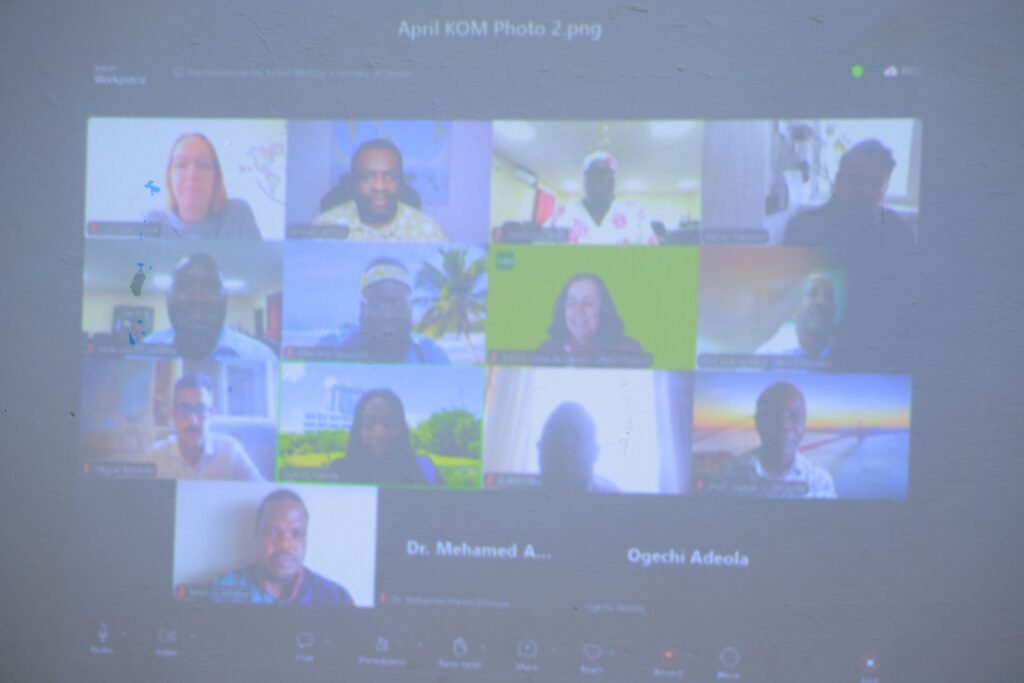
Our Esteemed International Partners joining us virtually and in person,
Colleagues, Experts, and Stakeholders,
Good morning and a very warm welcome to Aksum University. It is my distinct honor and privilege to stand before you today to officially open this Multi-Stakeholder Strategic Engagement and Kick-Off Workshop for the Teach4Sustainability project.
I want to extend our deepest gratitude to all of you for making the time to be here today. Whether you have traveled from afar, represent a local institutional stakeholder, or are joining us online across different time zones, your presence underlines a shared commitment to an issue that defines our generation: climate change, sustainability, and the future of higher education.
2. The Context & Mission of Teach4Sustainability
Today is not just an ordinary project launch; today marks the beginning of a transformative, cross-continental journey.
This project is an initiative supported by the European Union’s Erasmus+ program under Grant Agreement No. 101251923. It is structured as a 36-month action that officially commenced on February 1, 2026, and will drive our efforts through January 2029. Led by our coordinating colleagues at the Institute of Geography Education at the University of Münster in Germany, this project brings Aksum University into an outstanding consortium alongside the National University of Distance Education (UNED) in Spain, the University of Kigali in Rwanda, the University of Nigeria, Nsukka, and the University of The Gambia.
We live in an era where environmental challenges do not respect national borders. Climate change affects us all, but solving it requires localized knowledge combined with global cooperation. To meet this challenge, Teach4Sustainability leverages virtual exchanges as an inclusive, youth-centered learning format designed to empower at least 2,500 teacher trainees across our partner institutions with the competencies, confidence, and intercultural perspectives needed to act as sustainability change agents. By blending digital collaboration, intercultural dialogue, and problem-based learning, we are linking educators across Europe and Sub-Saharan Africa.
Our mission over the next three years is driven by five core objectives explicitly outlined in our action description:
- Build Pedagogical and Digital Competencies among teacher trainees.
- Co-Create and Test a 6-Topic CCSE Curriculum enhanced with virtual field trips and inclusive learning tools.
- Facilitate Intercultural Collaboration among thousands of future educators.
- Strengthen Institutional and Cross-Continental Capacity for Climate Change and Sustainability Education.
- Promote EU Values through open, equitable knowledge sharing across borders.
3. Roles, Responsibilities, and Immediate Milestones
To build a strong house, you must first design a flawless foundation. That is what today is about.
Our partnership governance is tightly aligned with the guidelines we are establishing in the MoU. Under this framework, every partner institution leads or co-leads at least one Work Package and actively contributes to all others. For Aksum University, we are proud to co-lead Work Package 3 (WP3) alongside UNED and UNN, focusing heavily on Curriculum Co-Development, Validation, and Pilot Testing between Months 13 and 26.
However, our immediate focus right now is supporting Work Package 2 (WP2)—the Multi-Country Needs Assessment and Baseline Analyses. As part of this phase, we are tasked with executing digital readiness audits, mapping institutional bandwidth, device access, and LMS compatibility across our campuses. One of our landmark goals right here at Aksum University is the deployment and utilization of the Digital Infrastructure Audit Checklist (T4S-DAC v1.0). We must ensure that our local networking architectures, server spaces, and learning environments are robust, secure, and ready to handle seamless international cloud-based exchanges.
Beyond infrastructure, our long-term commitment involves embedding components of the validated 6-module curriculum into our regular teacher education structures and sustaining access to Open Educational Resources (OER) long after the funding period closes.
4. A Collective Effort to Manage Risks
Infrastructure alone is just hardware and software; it requires a collective human effort to truly succeed. As a consortium, we have anticipated the complexities of executing a cross-border digital project and have established clear mitigation strategies.
We are fully aware of operational realities, such as unreliable internet connectivity or digital literacy gaps. We are mitigating these by prioritizing low-bandwidth, mobile-friendly platforms, establishing dedicated learning hubs in our university computer labs, and utilizing microlearning formats to accommodate heavy faculty workloads. We are also strictly committed to GDPR compliance and robust data protection policies to safeguard all participant information.
This workshop is designed to be highly interactive. We are here to align our strategic goals, map out our immediate milestones, address potential challenges, and listen to your invaluable insights.
To my team at AkU, our faculty members, stakeholders, and our newly recruited researchers, I say: the work ahead is demanding, but the impact on our students and our institution will be historic.
5. Conclusion
Dear colleagues, sustainability is no longer just a subject to be taught in an isolated classroom; it is a collaborative practice we must embed into our digital tools, our institutional structures, and our global networks. This project is built on mutual respect, equitable partnership, and a shared conviction that education can drive climate action.
Let us use today to build strong bridges, set clear pathways, and inspire one another.
With these few words, I declare the Teach4Sustainability Multi-Stakeholder Strategic Engagement and Kick-Off Workshop officially open.
Thank you, and I wish us all a highly productive, collaborative, and successful workshop!